
The Core Differences You Need to Know
Startups now face more choices than ever when it comes to funding but each path comes with trade offs you can’t ignore.
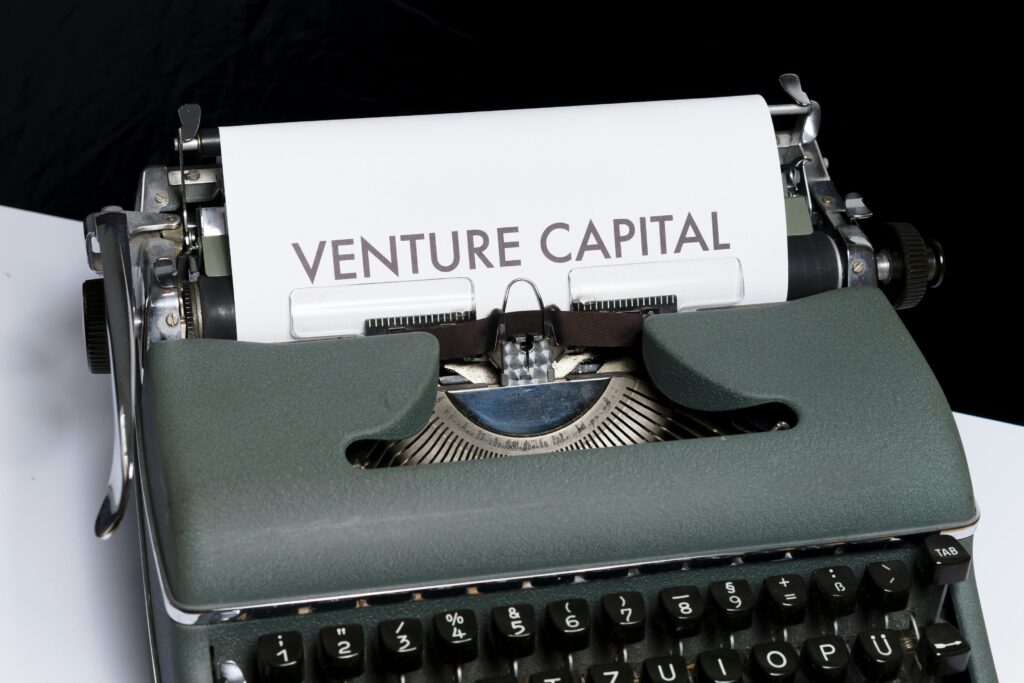
Venture capital means equity. You give up part ownership in exchange for serious capital and, sometimes, strategic connections. It’s a deal that can fuel growth fast but it comes with strings. Investors expect long term returns, often through an exit or IPO. They’re not just handing out cash for fun they’re betting on a future payoff.
Crowdfunding, on the other hand, breaks into two main types: donations and rewards. Donation based models play on goodwill supporters chip in to see your product come to life, no strings attached. With rewards based campaigns, backers get exclusive access, early units, or other perks in return. In both cases, you keep full ownership, but need real community backing to hit your goals. Buzz helps, but so does credibility.
Then there’s complexity. VC deals are paperwork heavy, legally intense, and often slow. You’ll need lawyers, term sheets, and board agreements. Crowdfunding is much faster and more democratic but getting attention (and trust) among thousands of campaigns isn’t easy.
This isn’t about right or wrong it’s about fit. Know the stakes, understand the expectations, and be honest about how much control you’re willing to keep or give up.
Read our full funding model comparison
When Venture Capital Makes Sense
If you’re growing quickly and your product has the kind of potential that grabs headlines or shakes up an industry venture capital might be the right bet. VC money isn’t small. We’re talking about big checks that can fuel aggressive hiring, tech builds, multi market rollouts, and more. But there’s a cost: equity and control. You’ll likely be giving up a board seat or more, and decisions won’t always be yours alone.
The expectation? Rapid scale. VCs aren’t patient investors. They’re looking for high returns within a tight window. That means your pitch needs more than vision it needs traction, metrics, and market disrupting potential. Think 10x returns or don’t bother pitching.
Still, the benefits go beyond funding. Good VCs bring serious value: mentorship from seasoned founders, introductions to major partners or talent, and credibility doors that don’t open otherwise. For founders ready to grow at breakneck speed and share the wheel VC is a powerful accelerator.
When Crowdfunding Wins

Crowdfunding isn’t just for passion projects anymore. If you’ve built a loyal audience or tapped into a niche that’s hungry for your product, it can be a smart way to launch. Early adopters become your backers. Their support goes beyond money it’s a signal that your offering has legs.
This route works especially well if you’re still testing the waters. Instead of going all in with VC expectations breathing down your neck, you validate product market fit in real time. Feedback is fast, adjustments are flexible, and momentum builds in public.
Another upside? Ownership. Crowdfunding keeps the cap table clean. You’re not giving up equity or handing out board seats. That means more room to grow on your terms, and the freedom to shape your brand without external pressure.
It shines best with consumer facing products that have viral hooks. Something exciting. Sharable. Easy to rally behind. If your idea checks those boxes and you’re ready to put in the work crowdfunding may be the smarter play.
Compare both paths in depth: funding model comparison
The Hybrid Route Some Founders Take
For some startups, it’s not a matter of picking venture capital or crowdfunding it’s about timing both. Starting with a crowdfunding campaign can validate your idea in the real world. It gets product feedback, buzz, and early traction without giving up control. Done right, it builds a user base that actually wants what you’re building. That early momentum isn’t just money it’s proof.
When metrics look solid customer retention, cost per acquisition, revenue growth then VCs start to pay attention. Raising capital later with this data in hand gives founders more leverage and usually better terms. You’ve got a story that’s not just theory it’s performance.
But mixing models isn’t simple. Crowdfunding can lock you into earlier promises made to backers, and VCs don’t always love that baggage. You also risk confusing your brand if your messaging isn’t tight. Still, for founders who play it smart, combining both approaches can offer the best of both worlds: early support without dilution, and long term backing when it’s time to scale.
Choose What Aligns With Your Vision
Financing isn’t just about raising money it’s about choosing your constraints. When you bring in outside funding, you’re not just getting capital; you’re also committing to a pace, a level of oversight, and a definition of success that may or may not match your own.
Venture capital can supercharge growth, but it often comes with pressure to scale fast, hit aggressive metrics, and answer to investors. Crowdfunding gives you more autonomy, but it rarely provides the same level of runway. Bootstrapping keeps you lean and in control, but limits how fast you can move.
Before deciding which path to pursue, ask yourself: what’s your runway? Can you survive long enough to gain traction without outside capital? What level of control are you willing to give up? And most importantly, what kind of business do you actually want to build?
Choosing your funding model means choosing the rules of the game. Make sure they match the game you want to play.
Key Questions Before You Decide
Before committing to either venture capital or crowdfunding, ask yourself a few direct questions and don’t dodge the answers.
First: Do you want fast growth or a steady foundation? VC money can rocket your startup forward, but it also sets a ticking clock. You’ll need to scale quickly, report metrics constantly, and live under the pressure of big expectations. Crowdfunding gives you room to build slowly with your community, stress test the idea, and grow with more control.
Next: Are you comfortable giving up decision making power? Venture capital isn’t just about cash it’s about ceding part of the wheel. Investors expect a voice in what you build and how you run it. With crowdfunding, you answer to customers, not a board. There’s feedback, sure. But the final call is still yours.
Finally: Does your idea thrive on community buzz or require insider backing? A consumer facing product that people understand right away may take off through crowdfunding. But if you’re innovating in a technical or enterprise space, you might need the street cred, intros, and hands on help that come with seasoned VCs.
Your funding model isn’t one and done. Revisit it often. As your product evolves, so will your needs and so should your strategy.