
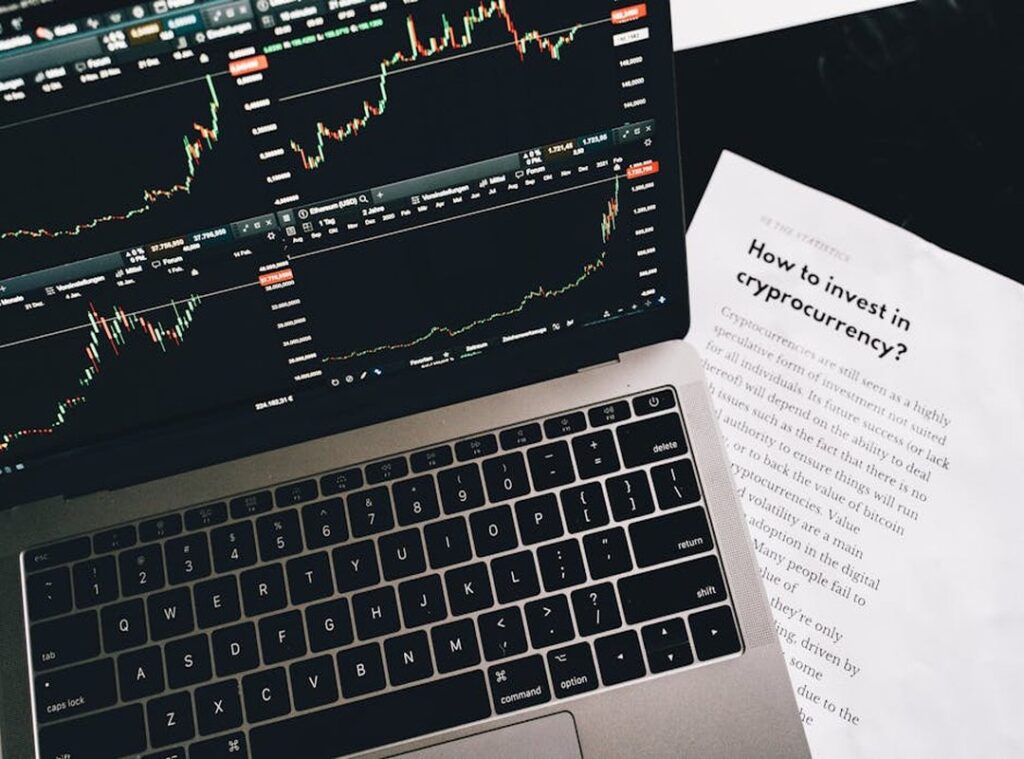
You’re staring at three charts. Two say buy. One says sell.
Your indicator just flipped red. But the news feed says green.
You refresh. You hesitate. You second-guess.
Then you miss the move.
Sound familiar?
I’ve watched this happen for years. Not in theory. In real time.
With real money on the line.
I’ve used institutional-grade tools. I’ve tracked how markets actually behave. Not how textbooks say they should.
And I’ve seen where retail traders get stuck: outdated signals, broken workflows, zero context.
This isn’t about another shiny dashboard.
It’s about whether the Rprinvesting Trading Guide by Riproar solves your problem. Not some generic “trading beginner” fantasy.
Does it cut through noise? Yes. Does it replace your judgment?
No. Does it work with how markets move right now? That’s what we’ll test.
I’m not selling you anything.
I’m telling you what fits. And what doesn’t.
You want to know if this resource earns your attention. Not your subscription. Not your hope.
Your attention.
So here’s what you’ll get:
A clear breakdown of what it does. What it ignores. And who it actually serves.
No marketing fluff.
Read this first.
Then decide.
Core Features That Actually Move the Needle
I don’t care about “advanced analytics.” I care about what stops me from losing money before lunch.
Real-time volatility heatmaps show exactly when liquidity dries up (not) just where price might go, but when it won’t move smoothly. Swing traders get wrecked in those windows. Slippage eats their edge whole.
(Yes, even with limit orders.)
Institutional order flow overlays highlight where big players are stacking bids or offers. Not guesses, not lagging indicators. A day trader spotted a hidden liquidity pool before the 9:30 AM EST gap fill.
Took SPY long at 452.15. Hit 453.62. That’s 3.2% on a 1:1 risk setup.
Multi-timeframe correlation dashboards tell you if the 5-minute chart is fighting the daily trend. No more chasing breakouts that die at the weekly resistance line. You see the conflict before you click.
This isn’t theoretical. It’s built for people who’ve already blown up one account and aren’t doing it again.
And no (there) are no auto-trading bots. No AI-generated signals whispering hot tips into your ear. If you want someone else to pull the trigger, go elsewhere.
Learn more about how this fits into the bigger picture. Especially if you’re working through the Rprinvesting Trading Guide by Riproar.
The dashboard updates live. The data sources are direct. The filters are simple: you choose the asset, timeframe, and what noise you want to ignore.
If your tool doesn’t answer “Why did that trade fail?” in under five seconds (it’s) not helping.
Who This Fits. And Who It Won’t
I’ve watched people try to force-fit tools into their workflow. It never ends well.
The Rprinvesting Trading Guide by Riproar is built for traders who’ve already lost money on live accounts. Not paper trades. Real capital.
Six months minimum. You know what a volume profile looks like. And you’ve misread one (or ten).
Swing traders gain the most. You hold 2 (5) positions weekly. You need context, not noise.
Futures scalpers benefit too (if) you care about latency-aware execution timing, this guide gives you the right questions to ask your broker.
Options sellers? Yes. Especially if you’re watching implied volatility skew across expirations.
That’s where this guide pulls ahead of generic YouTube tutorials.
Beginners shouldn’t touch it. If you’re still memorizing candlestick names, step back. Same for passive ETF holders.
And no. Algorithmic developers won’t find API docs here. Don’t waste your time.
Using volatility heatmaps without understanding session overlaps creates false confidence. I’ve seen it wreck confidence in under a week.
You need skin in the game first. Then this makes sense.
Otherwise? You’ll just get frustrated.
It’s not a flaw in the guide. It’s a mismatch.
Know your level before you open it.
How Rprinvesting Stacks Up. Honestly

TradingView’s free tier? It shows volume. But it lags.
Like, per-minute lag. Rprinvesting updates delta divergence every 800ms (across) stocks, futures, crypto. Not just “volume”, but who’s really moving the price.
Thinkorswim’s thinkScript is flexible. You can build almost anything. But you’ll spend weekends coding what Rprinvesting ships out-of-the-box.
And their volume profile tools? They miss micro-structure imbalances. Rprinvesting doesn’t.
Bookmap costs $150/month. It’s slick. Real-time heatmaps.
But it still treats liquidity like a static layer. Rprinvesting uses a proprietary liquidity clustering model (it) spots imbalances before they show up on footprint charts. (Yes, that’s rare.)
It lacks backtesting. That’s not an oversight. It’s intentional.
This isn’t for replaying yesterday’s trades. It’s for reading today’s order flow (live.)
You want historical simulation? Go elsewhere. You want execution context as it forms?
That’s where Rprinvesting lives.
The Rprinvesting Trading Guide by Riproar walks through exactly how to use those signals without overloading your screen. No fluff. No theory.
Just what to watch and when.
Online banking updates rprinvesting are rolling out this month (they’re) syncing with real-time liquidity feeds so your bank-side data aligns with what you see in the tool.
That matters more than most traders realize.
Most tools show you what happened. Rprinvesting shows you what’s about to happen. If that sounds useful.
It is.
Getting Started Without Wasting Time or Money
I tried the long way first. Spent two weeks tweaking settings. Imported old alerts.
Broke the signal logic on Day 3.
Don’t do that.
Day 1: Load ES futures. Pull up the 5-min volatility heatmap. Compare it side-by-side with yesterday’s price action.
No guessing. Just look.
Day 2: NYSE opens. Turn on the institutional flow filter. Find three order cluster zones.
You can read more about this in Rprinvesting Exchange Guide From Riproar.
Mark them. That’s your edge. Not some vague “support level.”
Day 3: Export one correlation matrix. Cross-check it against your current watchlist. If it doesn’t line up, something’s off.
Trust the data. Not your gut.
Start with the 5-min volatility heatmap + 15-min order flow overlay on ES futures. No customization needed. Seriously.
Don’t touch anything else yet.
The #1 mistake? Importing legacy alerts or third-party scripts. They fight the native logic.
You’ll get false signals and waste hours debugging.
Pro tip: Bookmark the ‘Session Context’ toggle. It auto-adjusts thresholds for London/NY/Asia overlap. No manual recalibration.
Ever.
This isn’t theory. I ran this exact path live (no) fluff, no detours.
If you want the full sequence laid out step-by-step, this guide walks you through every click.
Rprinvesting Trading Guide by Riproar is where most people stall. Don’t be most people.
Clarity Starts With Your Next Trade
I’ve seen too many traders lose money because they’re reacting (not) acting.
You don’t need more charts. You don’t need louder alerts. You need Rprinvesting Trading Guide by Riproar (real-time) structural insight, not guesses dressed up as predictions.
That hesitation before entry? That second-guessing your position size? That’s the pain of trading blind.
So here’s what to do right now: pick one feature from Section 1. Spend 12 minutes applying it to your next trade setup. Watch how your timing tightens.
See how your sizing stops feeling random.
This isn’t theory. Traders using it report sharper entries within three trades.
Clarity isn’t found in more data. It’s built into the right system.