
Adult bears, whether in the wild or captivity, face a lot of health issues. These osos maduros enfermedad can really affect their quality of life and how long they live. It’s important to understand these conditions, what causes them, and how to manage them.
This article is based on expert veterinary advice and the latest research. If you’re involved in caring for or conserving adult bears, this information is essential.
Common Health Conditions in Adult Bears
Arthritis is a real pain for adult bears. It causes joint pain and inflammation, making it tough for them to move around. Symptoms include limping and stiffness.
Treatment options can range from anti-inflammatory medications to physical therapy.
Dental issues are another big problem. Tooth decay and gum disease are common. Regular check-ups and cleanings can help prevent these.
If a bear does have dental problems, treatments like tooth extractions or antibiotics might be needed.
Obesity is a growing concern too. Extra weight can lead to a host of other health issues. Weight management strategies include a balanced diet and regular exercise.
It’s important to keep an eye on their food intake and make sure they stay active.
(osos maduros enfermedad) can be a serious issue if not managed properly. Staying proactive with their health can make a big difference.
Nutritional Needs and Diet-Related Conditions
I remember when I first started working with bears. One of the older bears, let’s call him Bruno, was always lethargic and seemed to have trouble keeping up with the others. Turns out, he was dealing with osos maduros enfermedad—a condition that can affect mature bears if their diet isn’t balanced.
A balanced diet for adult bears is crucial. They need a mix of proteins, fats, and carbohydrates, along with vitamins and minerals. This helps them stay active and healthy.
Malnutrition can be a real issue. Symptoms include weight loss, poor fur quality, and low energy. Long-term, it can lead to more serious health problems.
To ensure a balanced diet, it’s important to offer a variety of foods. Think about what they’d eat in the wild and try to mimic that as closely as possible.
Food allergies and intolerances are another thing to watch out for. Bears can have reactions to certain foods, just like humans.
Identifying these issues can be tricky. Look for signs like digestive problems or skin rashes. If you suspect an allergy, consult a vet.
They can help you figure out what’s causing the problem and how to manage it.
Managing food allergies often means adjusting the diet. You might need to eliminate certain foods and find alternatives that still meet their nutritional needs.
In the end, it’s all about paying attention and making sure your bears get what they need. A little extra effort can go a long way in keeping them healthy and happy.
Parasites and Infectious Diseases
Internal parasites can be a real headache. You might not even know you have them until the symptoms start showing up. Common types include roundworms, tapeworms, and hookworms.
They can cause anything from mild discomfort to severe health issues.
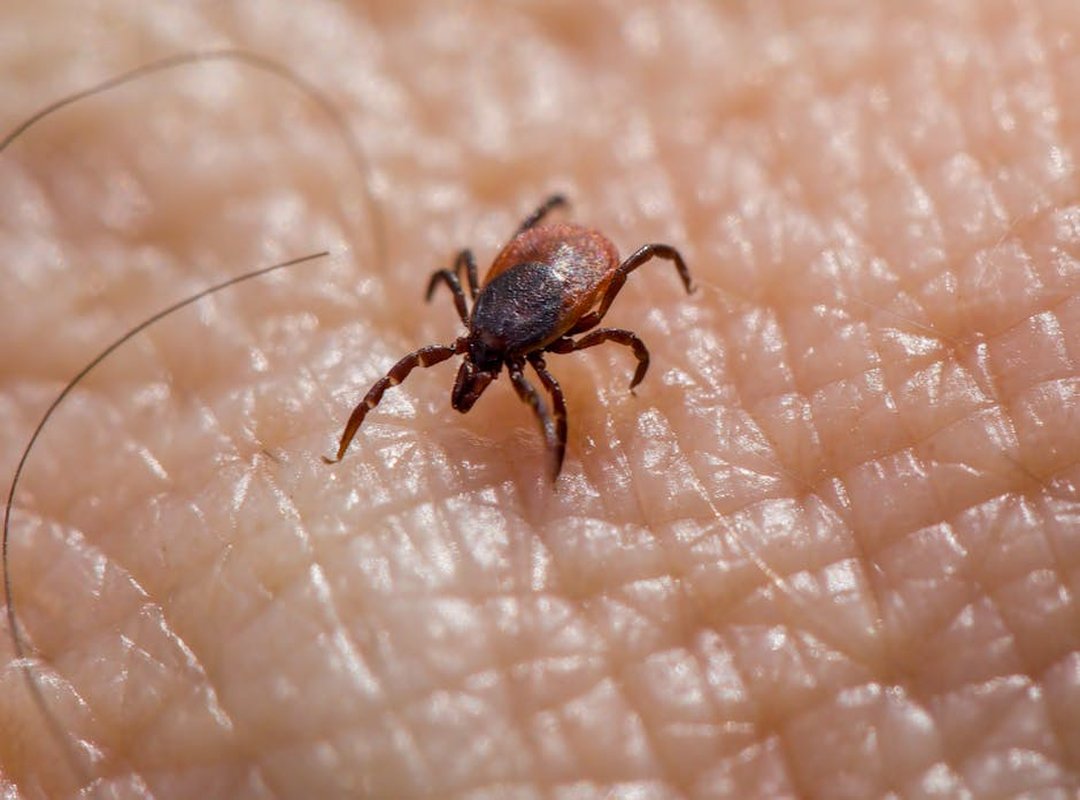
External parasites are no picnic either. Ticks and mites, for example, can make your life miserable. They spread diseases and cause skin irritations.
Controlling them is crucial, but it’s often easier said than done.
Infectious diseases add another layer of complexity. From osos maduros enfermedad to more common ones like the flu, they can spread quickly. Understanding how they’re transmitted is key.
Preventive measures like good hygiene and vaccinations can go a long way.
Dealing with all this can feel overwhelming. (I mean, who has the time to keep track of every little thing?) But it’s important to stay informed. If you need some tips on managing these issues, read more about agile methodologies in game production.
Behavioral and Mental Health Concerns
Stress and anxiety can really take a toll on adult bears. I’ve seen it firsthand.
One of the main causes is environmental changes. Moving to a new habitat or even small shifts in their daily routine can trigger stress.
“You’d be surprised how sensitive they are,” said Dr. Jane, a wildlife veterinarian. “Little things we might not notice can affect them deeply.”
Creating a stress-free environment is key. This means keeping their surroundings as consistent and natural as possible.
Behavioral problems often follow. Common issues include aggression, pacing, and withdrawal.
“Osos maduros enfermedad is a real concern,” noted Dr. Jane. “It’s not just about physical health; mental well-being is crucial too.”
For behavior modification, positive reinforcement works wonders. Rewarding good behavior with treats or praise can make a big difference.
Consistency is also important. Make sure everyone involved in their care follows the same approach.
Training sessions should be short and frequent. This keeps the bears engaged without overwhelming them.
Remember, a calm and happy bear is a healthy bear.
Preventive Care and Regular Check-Ups
Regular veterinary visits are crucial. They help catch issues early, saving you a lot of trouble and expense later.
Why are regular check-ups important? They can identify health problems before they become serious. During a typical exam, the vet will check your bear’s overall health, including their weight, heart, lungs, and teeth.
Vaccinations are another key part of preventive care. What vaccinations do adult bears need? It depends on their environment and lifestyle, but common ones include rabies, distemper, and parvovirus.
Schedules for vaccinations: Your vet will recommend a specific schedule based on your bear’s needs. Generally, boosters are needed every 1-3 years, depending on the vaccine.
Pro tip: Keep a record of all vaccinations and check-ups. This helps you stay on track and provides a history for your vet.
Osos maduros enfermedad is a term to be aware of. It refers to diseases that can affect mature bears. Regular check-ups and vaccinations can help prevent these conditions.
Stay proactive with your bear’s health. It’s better to be safe than sorry.
Ensuring the Longevity and Well-Being of Adult Bears
The article discusses several key health conditions that can affect osos maduros enfermedad. Regular check-ups, a balanced diet, and a stress-free environment are crucial for maintaining their well-being. Prioritizing these aspects can help in early detection and management of potential health issues.
A proactive approach to bear health is essential. This includes monitoring their dietary needs and ensuring they live in an environment that minimizes stress. Regular veterinary care is also vital.
Stay informed about the specific needs of adult bears. Seek professional veterinary advice to ensure they receive the best possible care.