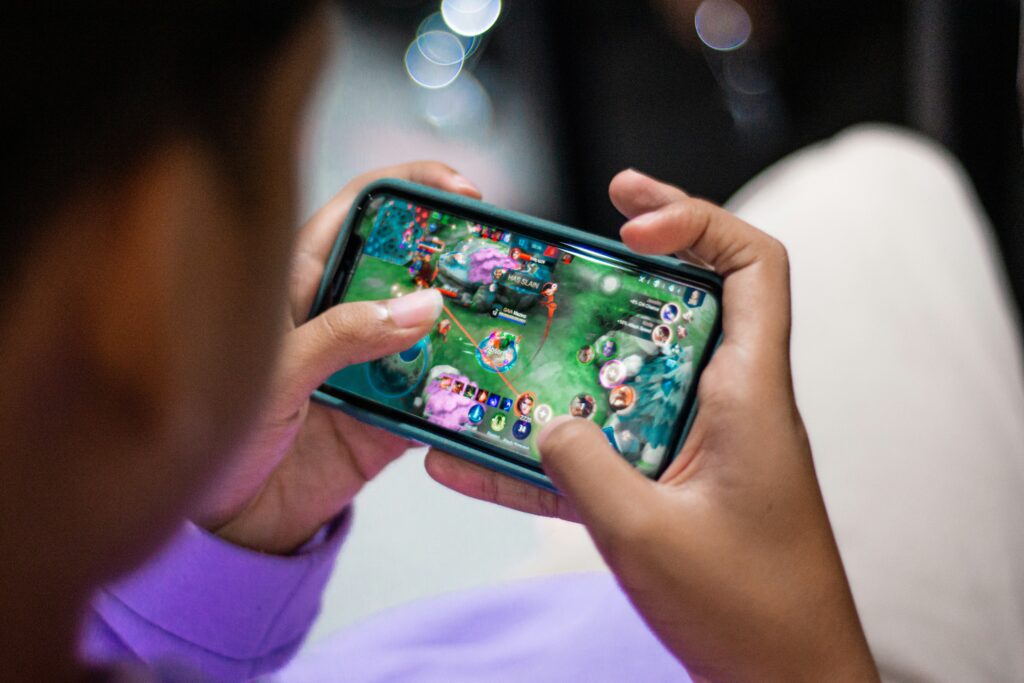

Cloud Gaming Is No Longer a Concept
A few years ago, cloud gaming sounded like a future pitch. Now, it’s here and it’s rewriting the rules. Services like NVIDIA GeForce Now and Xbox Cloud Gaming are turning high end gaming into something you can do on a phone, a tablet, or a ten year old laptop. No console. No $2,000 GPU. Just stable internet and a controller.
This shift kills one of the biggest barriers to entry: expensive hardware. New gamers can jump in with less friction. And they are. Entire markets previously held back by cost or logistics are waking up to modern gaming thanks to the cloud.
For developers and publishers, this means a broader, more global audience. But it also means optimizing for new realities: varying internet speeds, cloud native UX design, and deeper integration with platform ecosystems. The distribution model is different, and with it, the way games are monetized and updated.
Cloud gaming isn’t a sideshow anymore. It’s rewiring access, user experience, and expectations. And it’s only gaining momentum.
AI Inside the Game
AI in gaming isn’t new but the way it’s showing up in 2024 is on a different level. Smarter non player characters (NPCs) are now the norm, reacting dynamically to player behavior and adjusting difficulty on the fly. This makes gameplay feel less scripted, more alive. Players don’t just memorize patterns anymore they adapt, because the game does too.
But AI’s role isn’t limited to characters. Entire levels, dialogue trees, and soundtracks are being generated or co created with machine learning. That doesn’t mean the human element is gone developers are still directing the vision but the heavy lifting is easier, faster. Think procedurally generated side quests that actually make sense, or background music that shifts emotionally in real time.
It’s also changing how quickly games get made. Machine learning models can now handle tedious tasks like asset cleanup, bug spotting, and even code suggestions. The result: shorter development cycles and more room for experimentation. Studios able to harness these tools without losing creative oversight are gaining speed and precision.
If you want to see where this is all heading, check out our deeper dive into gaming technology trends.
VR and AR Are Becoming Practical

For years, VR felt like a tech demo with no release date. That’s changed. Standalone headsets are now cheaper, lighter, and don’t need a PC tether or room full of sensors. This accessibility shift means real people not just enthusiasts are using VR in their living rooms.
Meanwhile, AR is showing up everywhere. From Pokémon GO to smartphone camera filters to console hits layering digital elements into real world gameplay, augmented reality is no longer a gimmick. It’s part of the experience.
In the next five years, immersive gameplay won’t just mean seeing through a headset it’ll mean interacting in mixed reality worlds that blend tactile input, spatial audio, and adaptive environments. Think less about escape, more about expansion. The lines between physical and digital will blur, especially in co op and social gameplay formats.
And here’s the upside for smaller teams: XR spaces are still wide open. Indie devs with good ideas and lean builds have a runway. The tools are more accessible, the stores less crowded than traditional PC or mobile markets. Niche wins are totally possible.
The hype cycle is over. Now comes the building.
Blockchain Tech Isn’t Going Away
The NFT hype may have cooled, but the core idea underneath it true digital ownership is just getting started. Blockchain is quietly reshaping how players interact with in game economies. We’re talking about games where your sword, your skin, or even your real estate has actual value outside the game world. These are not just cosmetic flexes but assets with potential liquidity across multiple environments.
In a player owned economy, gamers get a cut of the value they create. It’s not just about grinding for points or skins when items exist on chain, they’re tradeable, sellable, and portable. That’s powerful. Players could move inventories across titles or platforms, assuming studios collaborate. That last part is still a big if many publishers are hesitant to surrender control. But early movers are experimenting with interoperability, and indie developers are leading the charge.
It’s not all upside. Decentralization introduces technical complications and opens the door to fraud or volatility. Game balance can also be at risk if progression is pay to win via tokenized assets. Still, the long game looks promising: a future where you own what you earn, and where virtual labor has value beyond entertainment.
The shift is slow, but irreversible. Blockchain, in its quiet, sturdy way, is building the foundation for gaming’s next big economy.
Haptics and Sensory Feedback
What started as simple controller vibrations has now morphed into full body vests, gloves, and even face mounted sensors. Haptic feedback isn’t just a gimmick anymore it’s pushing toward realism. When you can feel the recoil of a weapon or the brush of wind during a wingsuit dive, you’re no longer just playing. You’re in it.
Tech companies are leaning hard into sensory hardware. Startups and big players alike are designing wearables that map in game experiences to physical sensations. The goal? Immersion over graphics. Not because visuals don’t matter, but because your body’s response adds a whole new layer. The line between passive play and active experience is starting to blur.
But full haptic gear isn’t cheap. Cost, comfort, and content support will decide whether haptics go mainstream or stay in enthusiast territory. For now, it’s niche but fast growing. The more developers integrate nuanced haptic feedback into core gameplay (not just gimmicky jolts), the more likely this tech becomes a standard.
In 2024, expect more demos, better ergonomics, and a lot of curiosity. It’s still early but haptics could shift how games feel in a very literal sense.
What It All Adds Up To
The threads are connecting and fast. AI driven development, cloud based access, next gen sensory feedback, and blockchain based economies aren’t side shows anymore. They’re starting to define what modern game development looks like. As a result, dev cycles are getting tighter. Studios don’t need to brute force every asset or interaction from scratch. Tools are smarter, reusable assets are the norm, and engines are more efficient.
Worlds are getting more alive, too. With better AI and immersive tech, interactive environments feel less like scripted stages and more like systems you live in. Game economies are evolving past loot boxes toward real economies, where ownership plays as big a role as gameplay. This shift opens new creative and business models but also raises the bar.
Studios that move early will shape the expectations for what’s normal. The ones still stuck building games the old way? They’ll either adapt or they’ll fade.
Want to go deeper? Take a look at gaming technology trends.