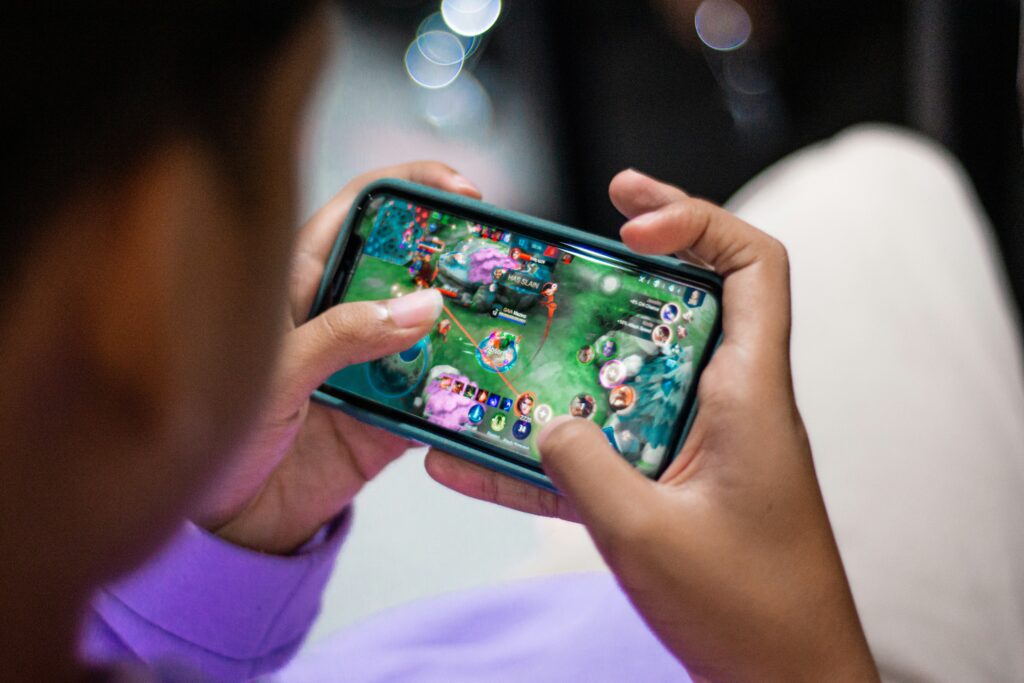

From Pixels to Precision: A Fast Changing Arena
Gaming in 2024 doesn’t look like it did even two years ago. Environments are denser. Characters more lifelike. Physics engines are doing less faking and more calculating. Whether you’re watching a leaf drift in a forest or dodging gunfire in a warzone, the level of detail is startling and it’s only picking up speed. This isn’t just about shiny graphics. It’s precision, immersion, and complexity, all wrapped in faster iteration cycles than the industry has ever seen.
What’s enabling all this? Raw power and broader access. Devices once confined to pro studios are now sliding into living rooms and backpacks. GPUs are stronger, SSDs cheaper, cloud pipelines more reliable. Indie studios equipped with mid range rigs are producing work that competes with AAA releases, and mobile platforms are catching up faster than expected.
Meanwhile, the walls between gaming and everything else film, music, social media, even healthcare are starting to blur. Unreal Engine powers not just the next hit shooter, but also virtual concert venues and AI driven patient simulators. Narrative worlds bleed into fashion collabs. In game economies spark real world investment strategies. Gaming is no longer just a category; it’s a digital framework stretching across industries.
The takeaway? If you’re in tech, media, or entertainment and not paying attention to what’s happening in gaming, you’re already playing catch up.
Game Engines Getting Smarter (and Faster)
AI isn’t just changing how games are played it’s reshaping how they’re made. In 2024, dynamic storytelling has taken a leap forward. Game engines are now smart enough to respond to player actions in real time, adapting narratives on the fly without glitching immersion. That means side characters no longer repeat stale lines, and story branches don’t feel bolted on they evolve.
On the technical side, real time rendering and procedural design are eliminating long turnaround times. Worlds aren’t just crafted manually they generate themselves logically, scaling in complexity as players roam. Developers are loading less upfront and generating more mid move, thanks to AI driven scene optimizers and texture generation.
Studios are leaning hard into toolchains that do the heavy lifting AI assisted animation, auto balancing for gameplay loops, even QA bots that run hours of stress tests in minutes. The result? Teams can focus more on creativity and player experience, less on grunt work.
The gap between idea and interaction is shrinking fast. For a deeper dive into the tech that’s powering this shift, check out New Technology Impacts.
Cloud Gaming: No Console? No Problem.

Gaming is shedding its hardware skin. Thanks to a surge in cloud infrastructure, players can access high end titles on mid range laptops, phones, even smart TVs with no console in sight. Game rendering and processing are outsourced to powerful remote servers, then streamed back to users in real time. The promise? Flexibility, scalability, and a bigger, borderless audience.
The big players are all in. Nvidia’s GeForce Now continues to grow its library while focusing on latency optimization. Xbox Cloud Gaming is driving Game Pass deeper into mobile territory. Amazon Luna is shaping up as a quiet contender, already riding the backbone of AWS.
Going cloud native, though, isn’t free of friction. Blips in internet speed can ruin the experience. Ownership models are vague do you really ‘own’ a game if it’s only accessible via a license and stable connection? Then there’s data. Lots of it. Streaming AAA titles means pushing more bandwidth than many households are ready for.
Still, from an industry perspective, the trade off is clear: wider distribution with fewer physical barriers. The hardware arms race isn’t over but the venue is shifting. For a closer look at what this means for the gaming sector, check out New Technology Impacts.
Virtual Worlds Are Getting Physical
Mixed reality isn’t science fiction anymore it’s turning gaming spaces into something you feel, not just see. We’ve moved past VR headsets being a novelty. Now, it’s about layered experiences that blur the lines between the screen and the real world. Haptic suits, gloves, tracked rooms these tools are giving players a physical stake in digital spaces, and it’s rewriting how stories are told.
Narrative isn’t just on rails anymore. With devices that let players physically interact touch, throw, dodge the story can shift based on where you look, how you move, or what you literally feel. Player agency becomes more than dialogue trees or unlocked paths. It’s reflexes. It’s muscle memory.
And immersion is hitting new highs. Tactile feedback isn’t just vibration it’s resistance, pressure, even temperature. Game design is now accounting for bodies, not just screens. The potential for storytelling, emotional engagement, and interactive gameplay is expanding fast, especially as tech gets leaner and more affordable.
The bridge between the digital and the physical is being built in real time. Smart creators are already crossing it.
More Than Play: Gamification, Culture, and Beyond
Gaming isn’t just a pastime anymore it’s a cultural engine. In 2024, games are bleeding into other industries with surprising ease. There are rhythm games shaping music charts, RPG style narratives turning into Netflix series overnight, and fitness apps using game mechanics to keep people moving. Even classrooms are getting in on it, using games to teach history, coding, and social dynamics. It’s not a gimmick. It’s the framework for how people are learning, moving, and consuming media at scale.
At the center of this shift? The players themselves. User generated content is no longer optional or fringe it’s the pulse of the ecosystem. From modders building new game worlds to casual players becoming full time creators on Twitch and YouTube, the line between player and developer is thinning. Platforms are leaning in, offering built in tools for customization and monetization. The result is a feedback loop where players are shaping the product as much as they’re consuming it.
But not everything is glossy. As gaming expands its reach and tech gets more invasive think biometrics, behavioral tracking, always on multiplayer ethical challenges pile up. Who owns your play data? How far can games go in reinforcing addictive loops? And who gets seen and heard when games become platforms for identity expression and social interaction? These questions won’t wait for clean answers. They demand active choices by developers, regulators, and communities.
Gaming’s cross industry takeover is real. But with great power comes friction and figuring out the balance is the next boss fight.
The Road Ahead
For developers, players, and investors, 2024 isn’t just about shinier graphics or faster load times it’s about smarter choices. The conversation is shifting from what’s flashy to what’s sustainable. Studios are rethinking how games are built and played with an eye on energy efficiency, lower server footprints, and greener pipelines. Why? Because as the industry scales, so does its carbon footprint.
Accessibility is also front and center. We’re seeing a steady push to design for more people, not just the default gamer profile. That means better assistive features, scalable difficulty, and thoughtful UX all baked into the development process, not tacked on later.
Modular design is becoming the hidden hero too. Games now are less “products” and more platforms open to plugins, community content, and iterative updates. Think flexible, adaptive systems that evolve with tech and player culture.
If there’s one rule in all this: adapt fast or fall behind. The tech will keep shifting. So will the expectations. Whether you’re building, playing, or backing, staying relevant means looking beyond the screen and into the systems shaping what games can be.